
10 Soft Foods to Eat After Having Your Wisdom Teeth Removed After a wisdom tooth is removed, careful oral and wound care is essential for optimal healing. Avoid foods that can irritate the wound, cause infection, or delay healing. We’ve put together a list of 10 foods that you can safely eat after a wisdom tooth is removed. A bland diet and plenty of fluids will protect the wound and promote faster healing. Also, avoid foods that are too hot or too cold, including those on this list. It can take up to 24 hours for the anesthetic to fully wear off, and numbness in and around the mouth may persist for several hours after the procedure. To prevent burns and wound damage, avoid eating anything hotter than lukewarm
10 Gentle Foods After Wisdom Teeth Removal Soup Scrambled Eggs Mashed Potatoes Yogurt Applesauce Smoothies Hummus Oatmeal Jelly and Custard Salmon Soup Cooked or pureed soups are perfect after wisdom teeth removal because they don’t require chewing and don’t contain ingredients that can irritate the wounds. Soups are generally rich in vitamins and minerals, giving your body the nutrients it needs when you can’t eat whole fruits and vegetables. Pureed soups also help keep you hydrated.
There are many types of soups to choose from, such as pumpkin, tomato, beef broth, and celery cream soup. If you have a blender, you can puree any soup with chunks of meat or vegetables for a smooth consistency. Scrambled Eggs Eggs are an excellent food after dental surgery.
They contain high-quality protein, rich in vitamins and minerals. Although eggs are generally soft, no matter how they are cooked, scrambled eggs are ideal because they are easier to chew and swallow. Egg whites are also an option, but the yolk provides more nutrients and calories, giving you more energy.
Mashed potatoes Fine mashed potatoes are a high-fiber, delicious meal that is a good choice after wisdom tooth surgery. They are rich in calories and nutrients and can help restore energy after surgery. Even a few bites provide the nutrients in mashed potatoes,
making them a good option for people with eating disorders. Be sure to mash the potatoes thoroughly and remove any lumps. If you like sweet potatoes, you can also mash them and add butter or cinnamon. Yogurt Yogurt has a creamy, light texture, making it easy to eat. While ice cream is also creamy, it is high in fat and sugar.
is a healthier option and comes in many fruity flavors such as strawberry, lemon, peach, cherry, and more. Avoid yogurt with crunchy toppings like granola or cookie crumbs. Instead, opt for Greek yogurt, which is rich in protein and minerals like calcium and zinc.
Applesauce Applesauce is a great way to boost your nutrient intake without having to clog your lunchbox with whole apples. Most of an apple’s nutrients are found in the skin, which is often removed for applesauce, reducing its nutritional value.
However, pureed applesauce still contains many nutrients, such as fiber and vitamin C, which boosts the immune system. You can also make your own applesauce to reduce the sugar content. Smoothies Smoothies are excellent sources of nutrients and incredibly versatile. Choose fruits and vegetables that suit your taste to get the vitamins and minerals you need.
Jell-O® and Pudding Jell-O and pudding come in a variety of flavors. Avoid varieties with large pieces of fruit, cookie crumbs, or other crunchy ingredients. You can make your own Jell-O or pudding or buy it ready-made from the grocery store. These easy-to-eat options have a long shelf life, making them ideal for those who are not always at home while recovering. They are easy to prepare, use, and enjoy!
For example, a soft diet is important after an implant or wisdom tooth removal to help the bone and gums heal. Below is a list of the best soft foods to eat after dental or other treatments. They will help you feel full and support the healing process. Why is a soft diet important? ]
… Oral surgery procedures include implant placement, tooth extractions, bone or gum grafts, wisdom tooth removal, and root canals. After the procedure, your jaw and mouth may be sore. A soft diet after dental surgery helps reduce irritation in the open wound and prevents you from biting the treated tooth. A soft diet therefore contributes to optimal healing and recovery after the procedure.
The best soft foods after dental surgery: Although a soft diet may initially seem restrictive, there are actually a wide variety of nutritious and delicious foods that require minimal chewing. The American Dental Association recommends the following soft foods after dental surgery:
Keep in mind that the temperature of the food can affect the healing process. For example, hot drinks like tea or coffee can irritate the gums in the surgical area and delay healing. Choose lukewarm drinks and warm soups – not boiling hot! These are the best soft foods to eat after dental surgery.
The Right Soft Foods for Optimal Recovery According to the University of Michigan, a balanced diet with enough protein promotes the body’s regeneration. Protein is an important building block that helps repair muscles, tissue, and skin.
After dental surgery, the following soft food options are suitable: Soups made with chicken or beef broth are an excellent source of protein. Protein powder mixed with water or milk is a great way to easily increase your protein intake.
Kiwi, peaches, and strawberries are easy to chew and rich in vitamin C, which is necessary for tissue repair. Foods to avoid after dental surgery Be aware of certain food groups that you should avoid during your recovery from dental surgery:
Foods to avoid after dental surgery | Rockcliffe Dental & Denture Centre: Certain beverages. Avoid alcoholic beverages, coffee, carbonated beverages, and hot drinks. Spicy foods. Spicy foods can irritate your gums and cause pain and discomfort. Orange juice.
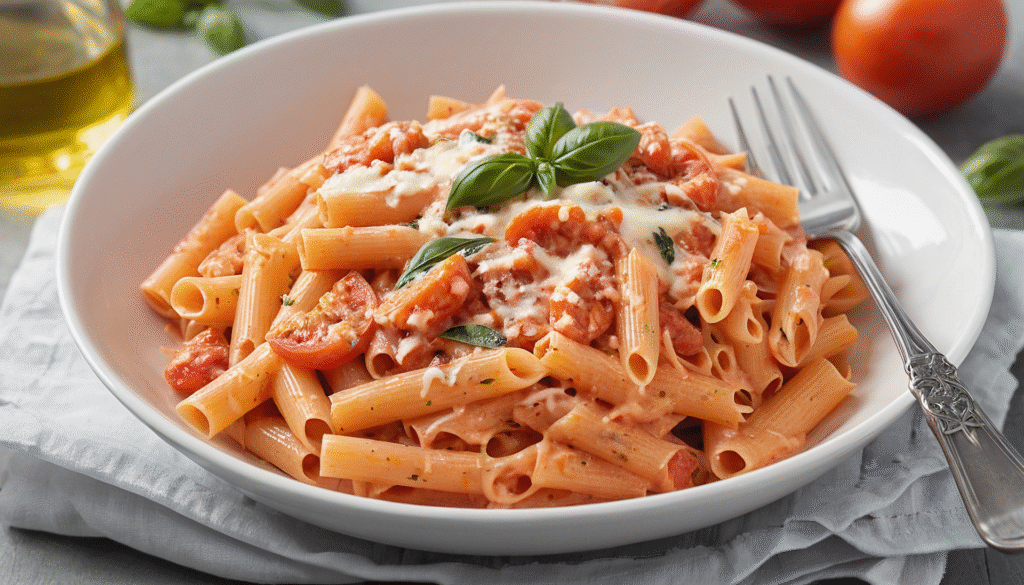
Orange juice and other acidic juices can cause a burning sensation and irritate the surgical site. Tomatoes and tomato sauce. Like orange juice, tomatoes are acidic and can cause pain and stinging if they come into contact with the surgical site. Popcorn.
Popcorn shells can damage your gums and get stuck near the treated area. Seeds. Seeds can get stuck in the surgical site and cause discomfort or pain. Crushed peppers. Like seeds, peppers can get stuck and cause pain. Crunchy or hard-to-chew foods.
These foods can interfere with blood clotting after surgery. Also, avoid drinking through a straw for a week, as the sucking motion can dislodge the blood clot and lead to painful alveolitis sicca (dry socket). Also, refrain from smoking for at least 24 hours after dental surgery in Ottawa, as this can interfere with the healing process.
Avoid monotonous meals throughout the day. Even if you have to give up popcorn and crispy apples for a while, it doesn’t mean you have to eat the same thing every day.
It’s tempting to indulge in ice cream or milkshakes for breakfast, lunch, and dinner. However, these options are high in sugar, which increases the risk of gum disease and other dental problems.Click hare..


